Trigger Warning: The following post references mental illness, Specifically BPD. If you or someone you know is experiencing symptoms of mental illness, please seek help from trained professionals. This article is for information and entertainment only.
It’s a new week and a new problem. In this week’s episode, we reveal that our heroine is suffering from a mental illness. I have BPD. BPD is short for Borderline Personality Disorder. Borderline Personality Disorder (BPD) is a complex mental health condition that affects how individuals think, feel, and relate to others. We have difficulty with relationships. Often the people that we target for the worst pain are those that are closest to us, so learning to build and maintain healthy relationships is extremely important and a constant struggle. Now, lets get real.
Relationships, especially healthy ones, are a struggle for normal people. However, with BPD they can be damn near impossible to maintain. It is extremely painful to have BPD, but it is harder still to love someone with the illness. We are obstinate and often think we are right, we are paranoid and can be violent and angry. We are terrified of being abandoned, but will put out loved ones through impossible trials to make them prove their love until they break and we can point the finger and say “SEE! I TOLD YOU you were going to leave me. Wait, why are you really leaving?” Often we are alone. BPD is hard to live with, hard to treat, and harder to love, but not impossible. You just have to develop a strong support network that includes a therapist who specializes in personality disorders, medication (if your doctor thinks it is right for you), and lots of work on yourself. This week, as usual, I’m working on me. So here is what I have learned.
Here’s the thing:
Being human is a team sport.
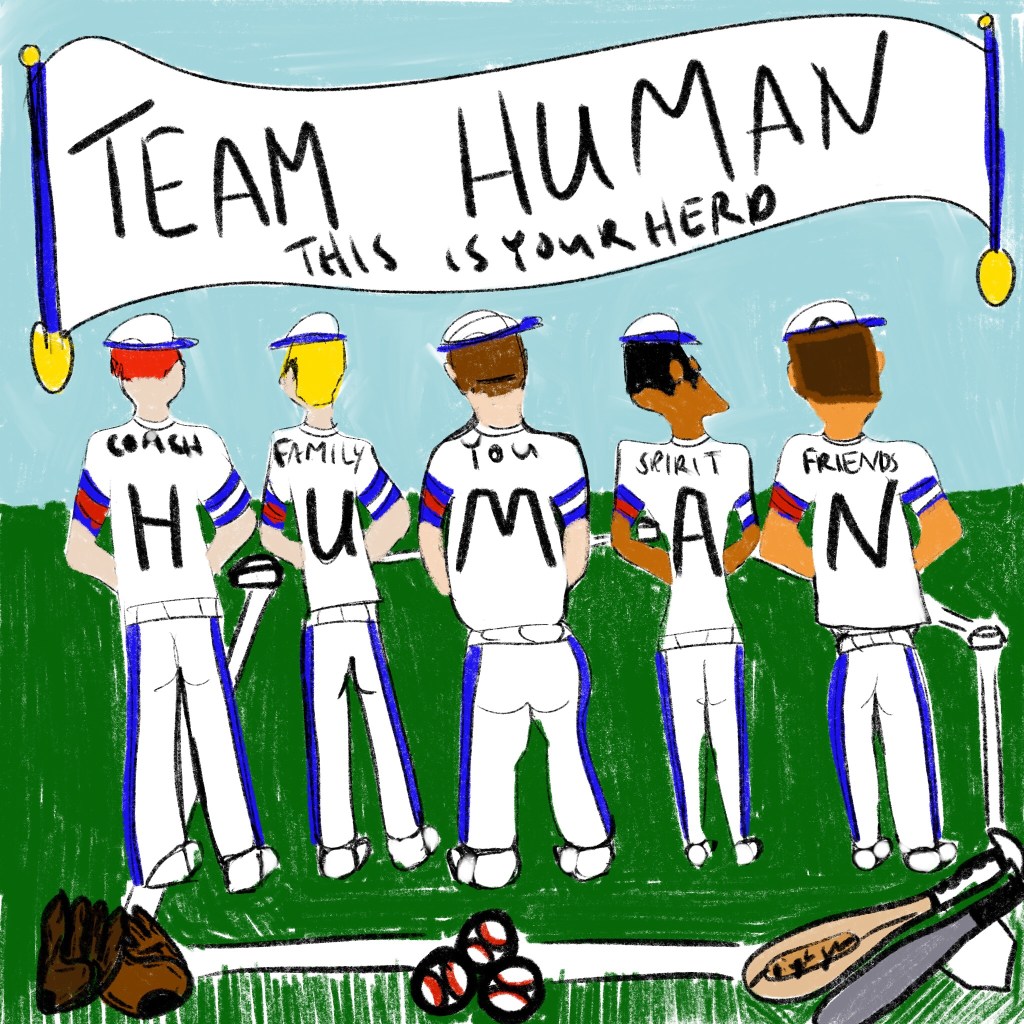
Looking at us from an animal mentality. We are a herd animal, meant to travel in packs or groups. Relationships are crucial to not just our survival, but our ability to thrive. Studies have shown that babies left without human interaction will die. Failure to Thrive is an actual diagnosis that a child can receive when they are developmentally so far behind their peers because no one picked them up or interacted with them at all when they were small.
Now remember, I am no expert. You should get therapy, couples counseling, see your doctor if you are having medical issues. I am just passing on the information. Here’s what I am learning.
Communication is crucial to the success of any relationship. Effective communication is essential. Using skills like active listening: making eye contact and focusing on what the other person is saying; and open communication: using “I” statements to express your feelings, asking open-ended questions, and acknowledging emotions, go a long way toward preventing misunderstandings. Keep your communication clear, and honest.
Honesty and trust foster strong relationships. Without honesty and transparency, your partner can feel left out in the cold. I know for me transparency is like one of my love languages. At the same time though, it is difficult because I have jealousy issues. I know that I can speak to it first hand and say “I would rather know, than not know.” I don’t want to be side swiped by something later. Not everyone is honest and motives can get blurry without transparency. I also have some mild paranoia, so transparency is crucial for me to feel safe in the relationship. Literally. Most importantly, trust takes time to build and longer to repair. This is not a game of hoping the other person will forgive you. It is better to face your challenges together, even if that includes wanting to see other people. Without trust, honesty, and transparency, couples face serious intimacy issues, sexual dissatisfaction, drifting apart, and will be eventually unhappy at best, but alone at worst.

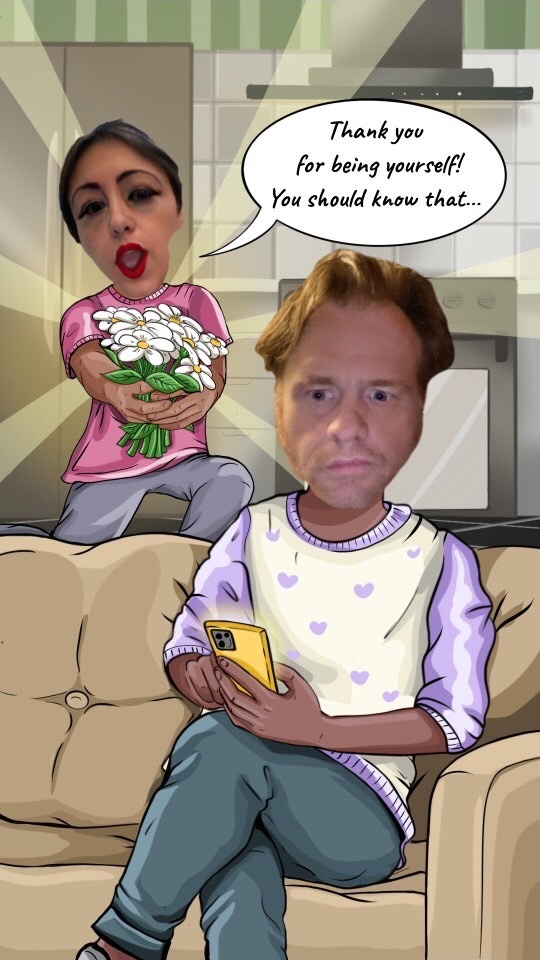
Building a life together is very challenging. It requires effort and commitment on a grand scale. I want to emphasize the value of spending quality time with your loved ones. For me that looks like finding ways to not be judge mental or to criticize. I hate criticism personally, so I have to realize that, as a hype critical person, the people around me (my loved ones) don’t need to be overly criticized. I need to learn to live in and enjoy the moment. I also need to practice patience and encouraging open, clear communication. We can all practice this more by spending quality time with loved ones. Reading books, talking about a movie you have just watched, cooking together, and going for walks are all great ways to promote bonding and connection. A major barrier though, is ironically technology. We also have to learn to put our screens down and look around. Eye contact is so important to bonding. Physical touch is also very important, and it is hard to do these simple things if we are constantly fiddling with our devices. A single selfie captures the moment, but 100 selfies sets the tone of the interaction (and not in a good way). Our priority should be the people in our herd.
Technology is just a single topic in the inevitability of conflicts in relationships. The best course of action is to learn to resolve conflicts in a healthy manner. Yelling is what we do when our hearts are far apart. Speak softly, keep physical contact and eye contact. Remember “I” statements for feelings. An example of an “I” statement is, “I feel hurt when I hear you say you need space. I feel like we don’t spend quality time together when you are always on your phone.” Remember to compromise when necessary and to try to feel what your partner is feeling. This is a person that you care enough for to engage with, it is important to use our feelings to try to empathize with their position, or agree to disagree if a solution can’t be found. The real secrecy tip: try to find a solution to the problem and put it to bed. One topic at a time. Solve a fight before you pick another. It can’t be you never take the trash out, you never fill up the gas tank, you never walk the dog, and I don’t feel like you love me anymore. WOAH! Unpack that into the four different conversations it deserves and kick the blame to the curb.

It’s been about a week since my last outburst. I am working very hard on healing myself and absorbing as many of these skills as I can to apply them to my own relationships. As an individual, it is important to work on personal growth to avoid stagnation and unhappiness. That being said, it is also important to support the growth of your partner or significant relationships around you. Encouragement and motivation are so important to keep you bonded and foster togetherness. Be the other person’s cheerleader, and have them be yours. If your squad is boosting you up, you can manifest anything in your life.
“Boundaries evolve over time, so ongoing communication is essential”
Establishing clear boundaries is crucial for maintaining healthy relationships. Boundaries are not about putting up walls, but rather about setting expectations for how you want to be treated and how you’ll treat others. Communicate openly with your loved ones about your personal boundaries and encourage them to do the same. Respecting each other’s boundaries demonstrates your consideration for their feelings and needs. Remember that boundaries evolve over time, so ongoing communication is essential. By honoring these boundaries, you create an environment of mutual respect and trust, fostering a relationship that is built on understanding and shared values, even if you are far apart.
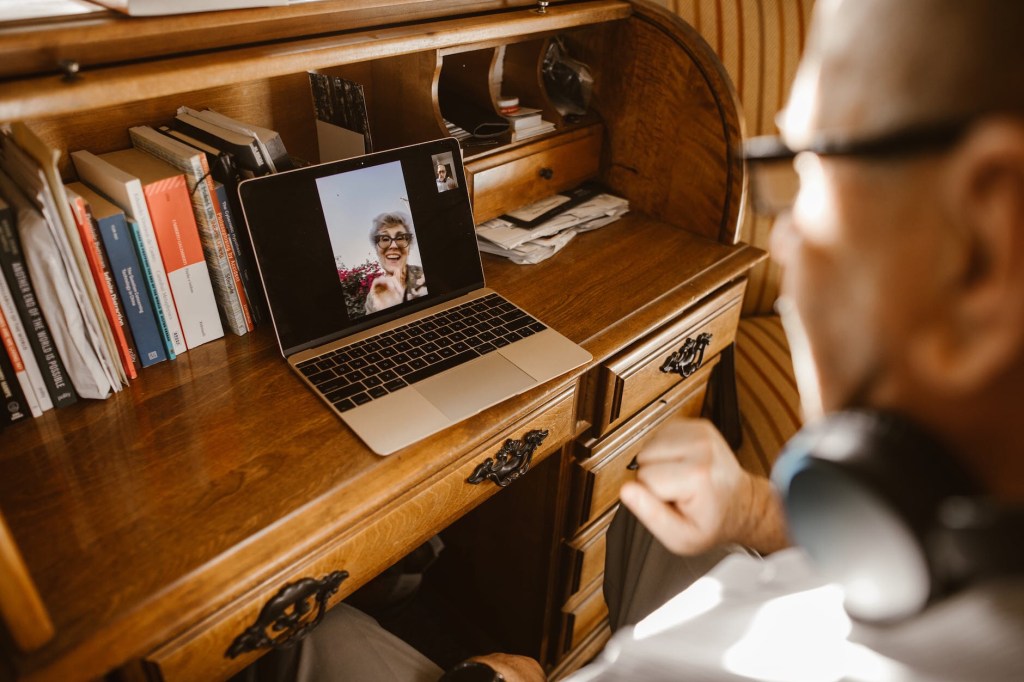
Navigating a long-distance relationships comes with its unique set of challenges, but it’s entirely possible to maintain a strong connection despite the physical distance. Effective communication becomes even more vital in this scenario. Set aside regular times for video calls, phone chats, or even written letters to bridge the gap. Share your daily experiences and milestones to make your partner feel involved in your life. Embrace technology to its fullest, utilizing apps and platforms that allow you to share photos, videos, and virtual experiences. Trust and patience are the cornerstones here. Keep each other updated on your goals and plans, so you both have a shared vision for the future. By prioritizing open conversations about your feelings and concerns, you can tackle challenges head-on and emerge from the distance even stronger.
In the intricate tapestry of our lives, building strong and healthy relationships is a cornerstone that weaves joy, support, and fulfillment. As we’ve explored the essential elements of communication, trust, quality time, conflict resolution, growth, boundaries, and even long-distance connections, it’s clear that these principles hold the power to transform our interactions into lasting bonds. Moreover, for individuals living with Borderline Personality Disorder (BPD), these principles can provide a framework for navigating relationships with empathy and understanding. By embracing open communication, practicing patience, and fostering mutual respect, individuals with BPD can nurture connections that positively impact their emotional well-being. Remember, every step taken towards strengthening relationships is a step towards nurturing our own hearts and those of the people we care about. The journey to building deeper, more meaningful connections starts now – let the vibrant threads of these insights enrich your relationships and life’s tapestry.
As you embark on the journey of cultivating stronger and healthier relationships, remember that these principles require consistent effort and practice. Take a moment to reflect on your own relationships and identify areas where you can implement the strategies discussed in this post. Whether it’s improving communication, nurturing trust, or dedicating quality time, each step you take contributes to the foundation of a more fulfilling connection with those you care about. By prioritizing open dialogue, understanding, and mutual support, you’re setting the stage for more meaningful and lasting relationships. Start today and watch as your efforts create positive ripples in the lives of both you and your loved ones.

Leave a comment if this article inspired you or tell me how you utilize these skills to improve your own relationships. Don’t forget to follow me for more insight. Join me on my journey to self improvement!
As always, my friends, enjoy the GLO!
Works Cited
- Communication in Relationships:
• “The Seven Principles for Making Marriage Work” by John Gottman and Nan Silver
• “Nonviolent Communication: A Language of Life” by Marshall B. Rosenberg
• Psychology Today articles on effective communication in relationships- Building Trust and Honesty:
• “Daring Greatly: How the Courage to Be Vulnerable Transforms the Way We Live, Love, Parent, and Lead” by Brené Brown
• Trust and Relationship research articles on platforms like Google Scholar - Quality Time Together:
• “The Relationship Cure: A 5 Step Guide to Strengthening Your Marriage, Family, and Friendships” by John Gottman
• “The 5 Love Languages: The Secret to Love that Lasts” by Gary Chapman - Managing Conflict:
• “Crucial Conversations: Tools for Talking When Stakes Are High” by Kerry Patterson, Joseph Grenny, Ron McMillan, and Al Switzler
• “Difficult Conversations: How to Discuss What Matters Most” by Douglas Stone, Bruce Patton, and Sheila Heen - Supporting Each Other’s Growth:
• “Mindset: The New Psychology of Success” by Carol S. Dweck
• “The Power of Now: A Guide to Spiritual Enlightenment” by Eckhart Tolle - Boundaries and Respect:
• “Boundaries: When to Say Yes, How to Say No to Take Control of Your Life” by Dr. Henry Cloud and Dr. John Townsend
• Psychology articles on personal boundaries and respect in relationships - Long-Distance Relationships:
• “The Long-Distance Relationship Survival Guide: Secrets and Strategies from Successful Couples Who Have Gone the Distance” by Chris Bell and Kate Brauer-Bell
• Online articles from relationship experts on maintaining long-distance relationships
- Building Trust and Honesty:
 Welcome to GLO Productions!